Continued pressure from exceedingly strong U.S. equities markets coupled with dollar strength has curtailed any continuation of the momentum created from the most recent rally.

As a market analyst and technician for over 35 years I was classically trained in the art of Western technical indicators. However, within years I realized that there were major shortcomings to the Western technical approach as they were based upon technical studies which used lagging indicators.

Today the minutes from last month’s FOMC meeting were released. They revealed that Federal Reserve members are now talking about the timeline to start reducing their asset purchases at a pace quicker than earlier anticipated. The net effect on U.S. debt instruments was a drop in the existing yields.

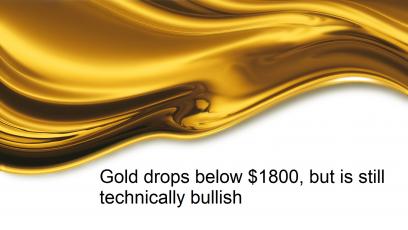
Although in celebration of Independence Day in the United States we had a three day weekend, you would never know it from the recent moves in gold. Gold basis the most active futures contract traded to a high of $1815 before settling just below $1800 per troy ounce.

So much has transpired since March of 2020. This special report will cover the financial markets of the last year and a half

Another prelude to tomorrow’s jobs report besides yesterday’s ADP private-sector jobs report was today’s release of the U.S. weekly jobless claims which came in at 364,000. The jobless claims report came in just below the Dow Jones estimate of 390,000.

Now that the last trading day has concluded for the second quarter or first half of 2021, it is clear that gold had a difficult time incurring lower pricing over the last six months. Gold futures opened at $1954 on the first trading day in January and closed today at $1770.60, suffering a drawdown of $184.

“Ball of confusion, oh yeah, that’s what the world is today”

– The Temptations


Gold has been consolidating and forming a base just above two key retracement levels. Although gold traded higher over the last two days, gains have been fractional at best.

The data that the Federal Reserve prefers to use to measure inflation is the PCE. The PCE or Core Personal Consumption Expenditure Price Index measures the prices paid by individuals for the domestic purchase of goods and services, excluding the price of food and energy.