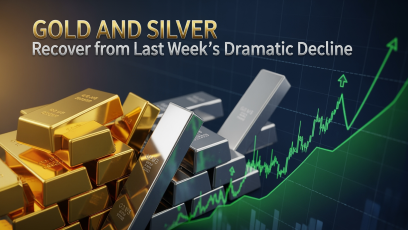
The past three months in the gold market have been among the most dramatic in recent memory. Having climbed to an all-time record high of $5,595 per troy ounce on January 29, 2026, gold subsequently entered a sharp corrective phase, shedding close to 19 percent of its value before finding support.

Gold posted a decisive advance on Thursday, gaining $38 to settle near $4,487 per ounce as a confluence of geopolitical shock and soft U.S. economic data drove investors firmly back into safe-haven assets. If we do not take into account the futures contract’s most active month shifting to August from June, which caused gold futures to appear to have gained more than they actually did ($72).


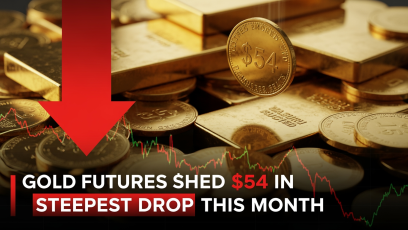
Gold futures fell sharply on Wednesday, shedding roughly $54 an ounce to settle near $4,456 — a decline of approximately 1.2% and the steepest single-session loss of the month.

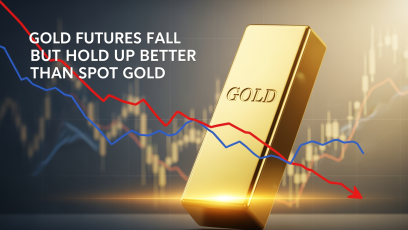
Tuesday was another session that illustrated a deepening divide in the gold market — one between traders operating in the futures pits and those transacting in the spot market. Gold futures declined a modest $4.00 on the day, settling at $4,506 per troy ounce, a fractional move that barely registered as a blip on the charts.

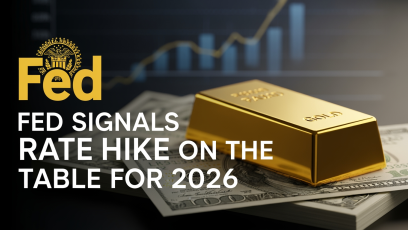
Kevin Warsh was sworn in as Chairman of the Federal Reserve on Friday and wasted little time signaling that the central bank's next move may well be upward. In his first public remarks as chairman, Warsh struck a distinctly hawkish tone — one that stood in notable contrast to the rate-cutting agenda President Trump had reportedly hoped to see from his Fed appointee.

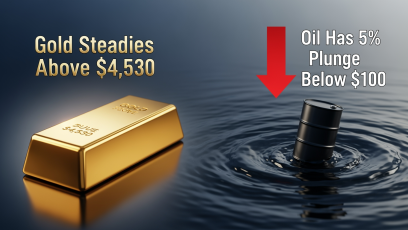
Gold climbed back above $4,530 per ounce on Wednesday, halting a slide that had driven prices to a two-month low of $4,490 the prior session, as a near-5% collapse in oil prices offered the clearest signal yet that the energy shock fueling inflation fears — and by extension the most aggressive Fed rate-hike speculation in years — may be losing its grip.

Gold climbed back above $4,530 per ounce on Wednesday, halting a slide that had driven prices to a two-month low of $4,490 the prior session, as easing tensions in the Middle East offered investors a reason to revisit their most hawkish assumptions about the path of U.S. monetary policy.

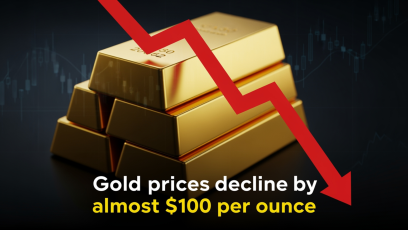
Gold tumbled $84 on Tuesday to $4,482 per troy ounce, extending a brutal stretch for the precious metal that has now shed nearly 4% over the past week as a cascade of bearish macro forces converged to crush investor appetite for the safe-haven asset.

Gold closed higher on Monday, gaining $27.20, or 0.60%, to settle at $4,570 per troy ounce — snapping a four-session losing streak that had erased $180 from the metal’s value last week. The session offered a measure of relief for bullion bulls, though analysts cautioned that the drivers lifting prices remain fragile.

Gold futures plunged $111 on Friday in one of the sharpest single-session declines of the year, as a toxic combination of failed Iran diplomacy, surging oil, a strengthening dollar, and Treasury yields hitting their highest levels of 2026 overwhelmed the metal from multiple directions simultaneously.