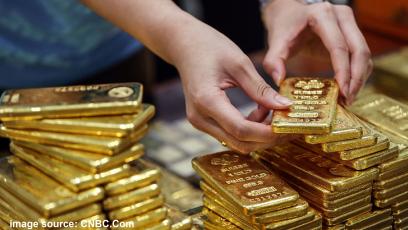
Gold pricing surged to higher ground today, as renewed concerns about a second wave of the pandemic triggers concerns leading to safe haven demand.

The primary mandate of the Federal Reserve has been to prioritize the goal of maximum employment at the top of the list. Not since the days of the Great Depression has this task been so daunting. Last week an additional 1.5 million Americans filed for unemployment benefits even though there have been signs and sources touting that the economy has been improving.

It is important to have realistic goals in terms of where we believe gold pricing is headed, and more importantly how long it will take to get there. First and foremost, we must acknowledge the tremendously large move that we have seen over the last four trading years. The multiyear correction began in the middle of 2011 and concluded at the beginning of 2016.

As of 3:34 PM EST gold futures basis the most active August contract, is trading fractionally higher, currently bid at $1736.80 a net change of + $0.20 on the day. Spot or physical gold is currently up by approximately $3.00 and bid at $1728.35. These fractional gains comes in spite of mild headwinds composed of dollar strength.

In a testimony prepared for the Senate Banking Committee, Chairman Jerome Powell conceded that recent data suggested a mixed message as to the current state of the economy in the United States. While some indicators suggested a stabilization in activity, other studies pointed to “a modest rebound”.

There were mixed results in the precious metals today, with extreme dollar weakness providing a tailwind. While gold traded lower on the day, the industrial precious metals including platinum, palladium and silver all closed with gains. The industrial precious metals benefited from the reversal in U.S. equities from negative to positive on the day.

U.S. equities and their action this week can be summed up in two words; extreme volatility. Yesterday market participants and traders hammered U.S. equities with the Dow Jones industrial average losing well over 5% on the day, with the other major indices sustaining deep drawdowns as well.

Today was marked by extreme volatility in the financial markets. U.S. equities had a virtual meltdown with the Dow Jones Industrial Average giving up almost 7%. This is a drop of 1861 points taking the Dow to 25,128.17. The Standard & Poor’s 500 gave up 5.89%, with the NASDAQ composite having the least percentage drawdown of the three indices after giving up 5.27%.

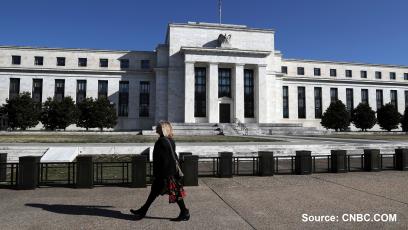
Today the Federal Reserve convened this month’s FOMC meeting. The most important statement made by the Fed at the conclusion of this meeting was that the United States Federal Reserve does not plan to raise interest rates until 2022. Interest rates will stand where they currently are; at near zero.

For the next two days, members of the Federal Reserve will convene and start this month’s Federal Open Market Committee meeting where they will focus upon the current monetary policy of the United States. As always, they will end their meeting on Wednesday at 18:00 GMT, or 2 o’clock Eastern standard Time tomorrow.