Today the financial markets with the exception of bonds plunged. The Dow Jones industrial average lost almost 3000 points in trading. Analysts are citing the global COVID–19 (coronavirus) as the primary trigger for this selloff.

It was a combination of an exceedingly strong recovery in U.S. equities and the dollar index gaining over a full percent that put enormous selling pressure in the precious metals complex across-the-board. Yesterday the Dow had its largest one-day decline since the 2008 financial crisis.

The current coronavirus crisis continues to dramatically affect financial markets across the board. Not only in the United States but globally. However, the last few days media outlets began to label the crisis as a pandemic rather than an epidemic.

The most recent moves in gold have been unusual to say the least. When US equities originally began its steep decline during the week of February 24, gold traded lower that week. Gold prices opened at $1653 and by the end of the week gold closed at $1566.

As we have been focusing on for the last couple of weeks it has been dollar weakness that contributed a large portion of gains in gold. In essence the dollar index has lost approximately 5% over the last three weeks. However, the dollar gained strength today closing at 96.43.

Last week U.S. equities began the first real correction that we have seen since the end of the 2008 financial crisis. Over the last 10 years we have had periodical selloffs in U.S. equities, however they were shallow when compared to the activity of last week and today’s decline. The Dow Jones industrial average lost over 12% last week.

Gold futures traded in extremely fast market conditions, reminiscent of fast markets traders witnessed during the historical run from $1000-$1900 in 2011. In the first few hours of gold futures opened this morning $1673.10, from there the market moved a little bit higher, however at 10:15 AM EST gold prices dropped from $1684 down to a low just below $1643 in 15-minutes.

The last couple of weeks have contained extreme volatility in both the equities markets as well as the safe haven asset group. When U.S. equities began to selloff dynamically, we saw gold follow in tandem trading to lower pricing. It was not that gold lost its safe haven luster, rather it was mass liquidation of all assets as traders went either into cash or bonds.

There has been one constant in financial market movement over the last couple of years, and that is that market sentiment not only turns on a dime, but it is not rare to see a market trading strongly higher followed by a day in which it trades strongly lower with very little change in the underlying fundamental events which are supporting a market move.

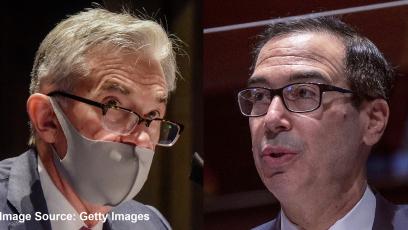
As a preventative measure, the Federal Reserve today announced that they implemented an emergency move by having the central bank cut interest rates prior to the next FOMC meeting which will be held on March 18. Without any question this move is extremely rare to implement any monetary change prior to a FOMC meeting.