Analysts and investors are waiting for two critical government reports due out on Wednesday and Thursday of this week. On Wednesday the Bureau of Economic Analysis (BEA) will release its latest numbers on real GDP which will be followed on Thursday by the PCE for May 2022.

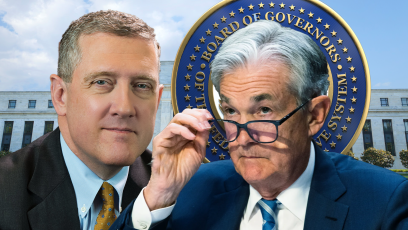
Chairman Powell’s testimony before Congress this week painted a dire economic outlook which will include the continued contraction of the national GDP coupled with continued interest rate hikes.

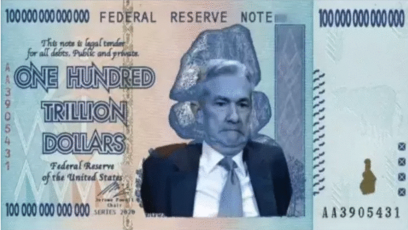
Now in his second day of testimony Chairman Powell continues to address the exceedingly high level of inflation and the Federal Reserve’s effort to curtail it. Currently, core inflation is running at three times the acceptable target of 2%, and the CPI inflation index at 8.6%.

Whether you describe the underlying cause of recent changes in financial assets as a tug-of-war, double-edged sword, or battle of opposing forces, inflation versus rising rates continues to cause market sentiment to oscillate. Depending on if inflation or rates are the primary focal points of market participants.

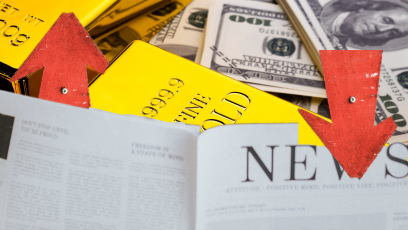
Gold continues to trade in an extremely narrow range as the precious yellow metal reacts to two opposing forces: rising interest rates and inflation. However, the recent price declines in gold have been shallow and short-lived at best. Most importantly, gold prices have held above a key support level which is Fibonacci based.

Gold traders experienced extreme price volatility beginning with a $70 drop on Monday and Tuesday, higher prices on Wednesday and Thursday, and a final price decline on Friday. This tug-of-war shifted market sentiment causing market participants to concentrate on either spiraling inflation or higher interest rates.

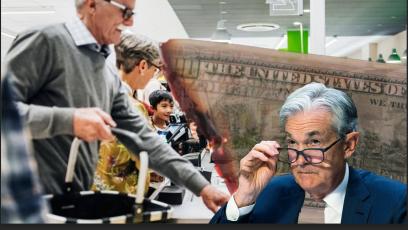
Yesterday’s conclusion of the June FOMC meeting was followed by a statement as well as a press conference by Chairman Powell. The overall message was that they acknowledge the pain that working Americans are experiencing as a direct result of inflation of over 8%. Secondly, they wanted to send a message that they are actively addressing that issue.

The Federal Reserve took the most aggressive action since 1994 announcing that they would raise rates by 75 basis points (3/4%) taking the fed funds rate to between 150 - 175 basis points. Traders and analysts had been factoring in a more aggressive rate hike on Monday and Tuesday following the release last week of the May inflation numbers vis-à-vis the CPI.

Today the Federal Reserve began the June FOMC meeting which will conclude tomorrow. Up until last week’s CPI report, it was widely anticipated that the Federal Reserve would raise its Fed funds rate by ½%. However, the fact that inflationary pressures have risen to 8.6% in May has dramatically changed that assumption.

All of the financial markets are continuing to react to last week’s CPI inflation report. The CPI increased by 1% in May taking year-over-year inflation higher by 8.6% which is the largest gain since December 1981. The largest inflationary drivers continue to be food, energy, and housing.